Private Label Blanket Manufacturing: A Strategic Guide for Brand Owners
Published 7 May 2026 · Updated 8 May 2026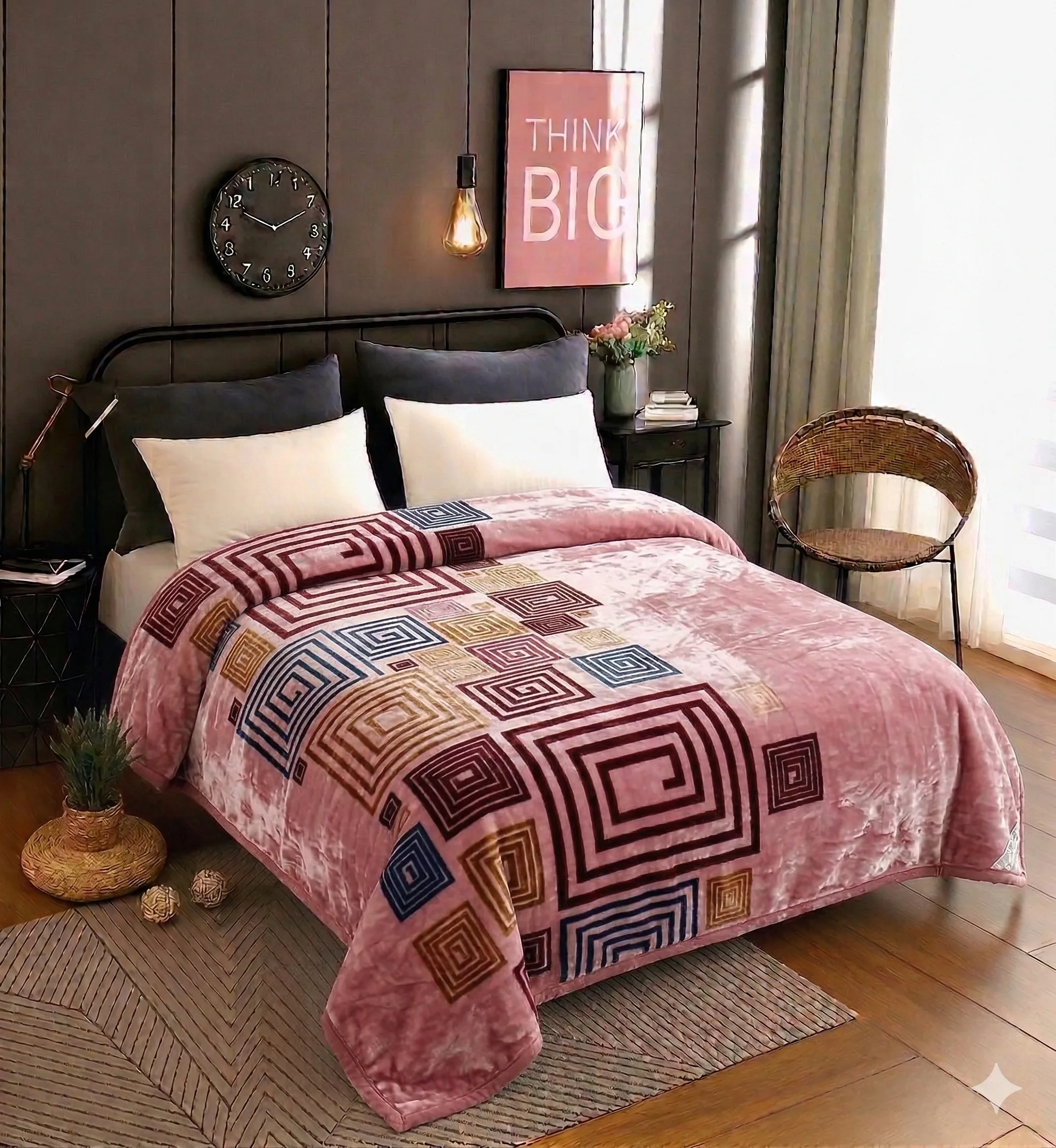
For brand owners and growing retailers, private label is the strategic move from reseller economics to brand equity. The decision to commission a labelled programme reshapes margin structure, defensibility, and customer lifetime value in ways that no amount of marketing on a third-party catalogue SKU can replicate. This guide is written for the brand-side reader weighing whether private-label is the right next step — covering positioning, margin math, brand differentiation, and the strategic mistakes that quietly erode a programme's payoff. For an operational walk-through — artwork specs, MOQ tiers, lead times, and vendor evaluation — see our companion piece, Private Label Blanket Manufacturing in India.
Private Label vs Reselling: The Strategic Difference
Reselling a manufacturer's stock SKU is a margin trade. Whatever discount the buyer negotiates is the entire upside, and the same SKU is available to every competitor on the same terms. Private label changes the economics by separating the product from the listing. The buyer owns the label, the artwork, the packaging, and — crucially — the search and shelf identity. A competitor cannot replicate the listing line-for-line because the SKU itself is unique to the brand.
This is distinct from white label, where a generic ready-made product is lightly rebadged. It is also distinct from OEM, where the buyer brings a fully engineered product design. In blankets, practical private label sits between: the manufacturer offers a tested production base, and the brand layers identity, palette, and finish on top. That hybrid is where most growing brands find the right mix of cost efficiency and differentiation.
The Margin Economics of Private Label
The case for private label is built on three margin levers, not one.
Gross margin uplift. A private-label SKU typically lands at a 15–35% lower per-unit cost than a comparable third-party branded product of the same construction, because the buyer is paying for production, not the manufacturer's marketing and distribution overheads. That spread funds either a more competitive retail price or a fatter margin — the brand decides.
Pricing power. Because the SKU is unique, the brand sets the price floor. There is no Buy Box undercut and no parallel listing. Pricing decisions become strategic instead of reactive.
Repeat purchase economics. Branded packaging and a consistent product experience compound. A consumer who liked their mink throw can search the brand by name, not the catalogue code. Lifetime value rises and customer-acquisition cost amortises across more orders.
The trade-off is working capital. Private label requires inventory commitment up front. Brands should model unit economics across at least one full sell-through cycle, including warehousing and any markdown allowance, before signing a first PO. For a primer on how minimum order quantities are calculated and negotiated, see our explainer on understanding MOQ.
When Private Label Makes Sense
Private label is not a universal upgrade from reselling. It pays off when several conditions are in place at once.
- Stable demand signal. The brand has sold enough comparable third-party stock to know which constructions, colours, and price points actually move. Private label is poor for hypothesis testing — the MOQ commitment is too large.
- Distinct positioning to express. The brand has a point of view — premium, performance, gifting, sustainability, regional — that the existing catalogue cannot fully convey. Private label exists to encode that point of view in a product.
- Capital for one full cycle. Production cost plus first-cycle inventory carry can be funded without forcing a fire sale to recycle cash.
- A retail or D2C channel that rewards branded SKUs. Marketplaces with strict listing rules, branded D2C sites, modern trade retail, and corporate gifting all reward private label. Pure price-aggregator channels do not.
Brands missing two or more of these conditions usually find a stronger return in negotiating better wholesale terms on stock SKUs first, then graduating to private label once the demand signal is unambiguous.
Brand Differentiation: What to Encode in the Product
The biggest strategic mistake in private label is treating it as a labelling exercise — same product, new tag. The label is the smallest of the differentiation levers. The ones that matter on shelf and in repeat-purchase data are the product decisions themselves.
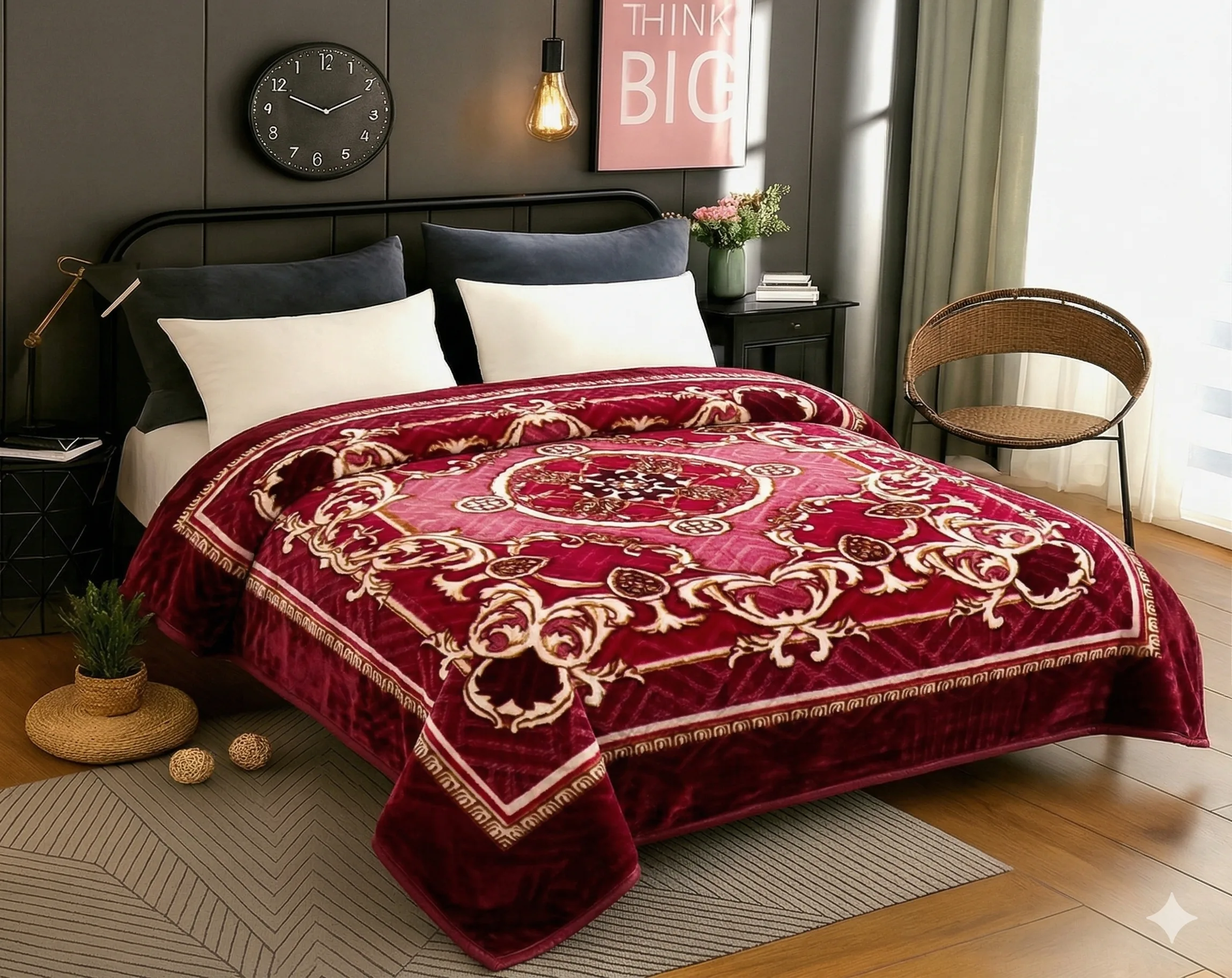
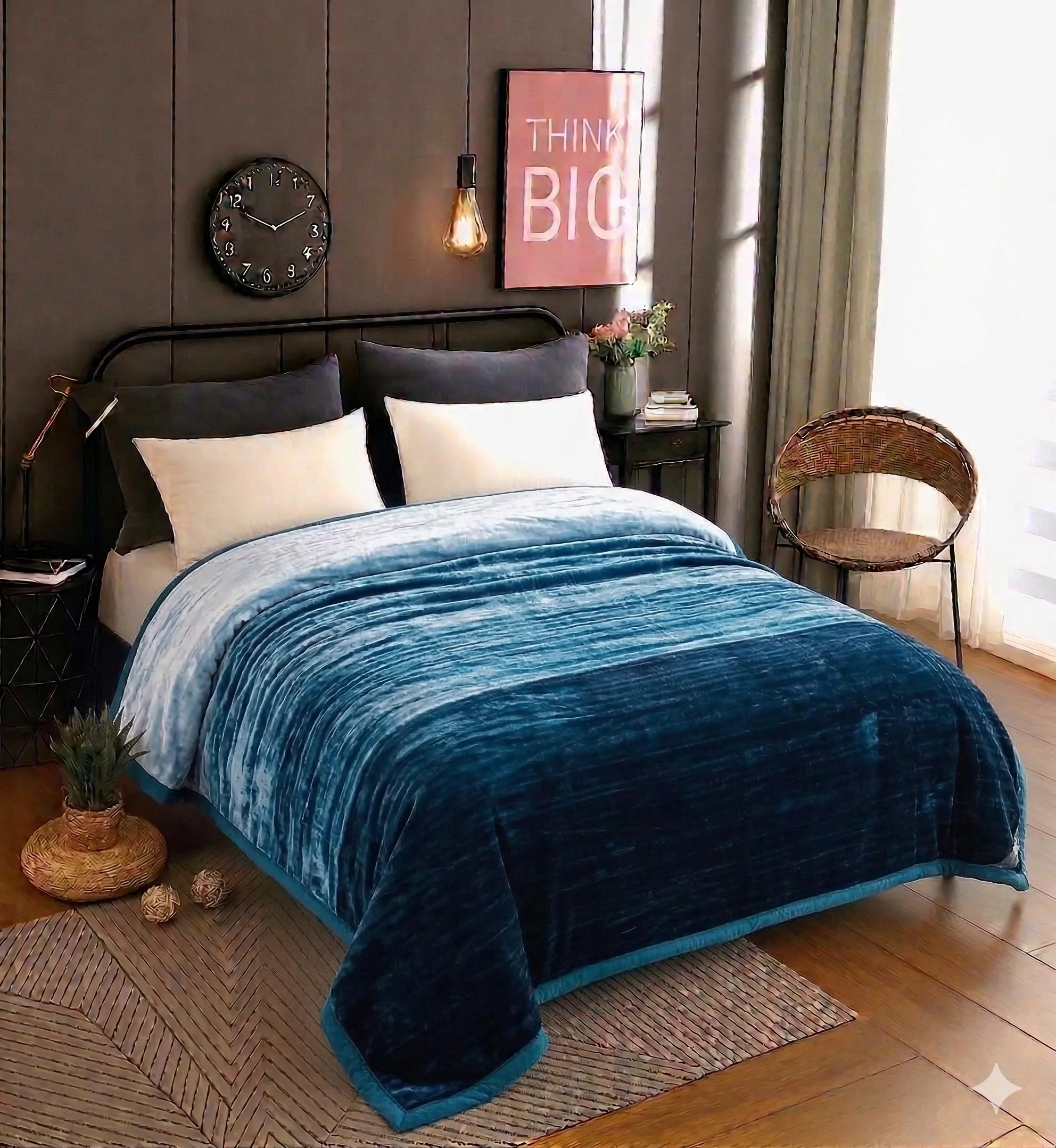
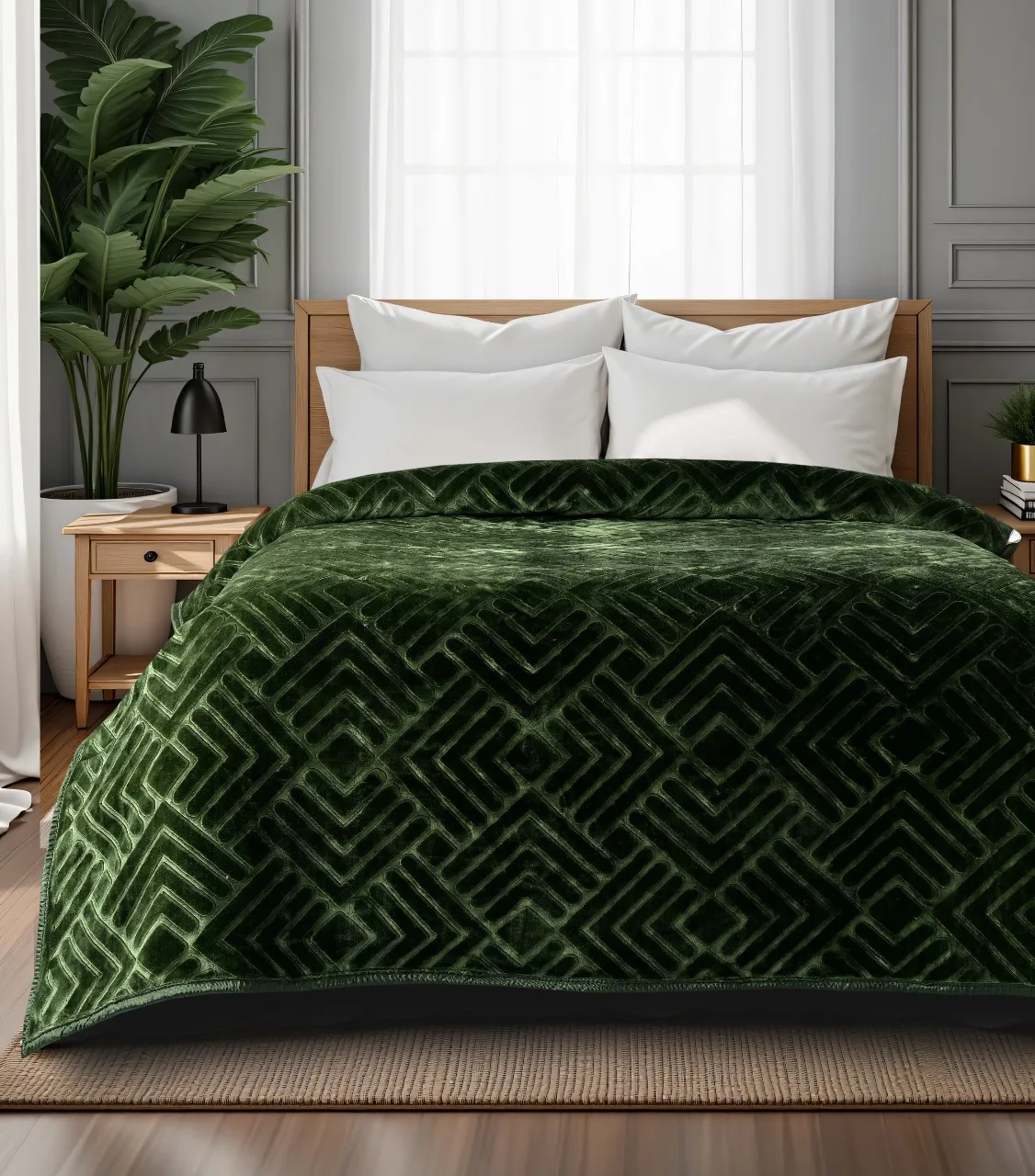
Construction tier. The choice between an entry-weight embossed blanket and a heavy super-soft mink is a positioning choice before it is a cost choice. A premium brand with a value-tier construction will lose every credibility test the consumer applies — hand feel, weight, drape.
Palette discipline. Most catalogues offer too many colours. A private-label brand benefits from a tight palette that becomes recognisable across seasons. Three to five anchored shades beat fifteen unrelated ones.
Size strategy. Standard single and double sizes are table stakes. Choosing whether to offer a heavier double, a hospitality oversize, or a gift-pack pair is a positioning move. For a structured view of what sizes match which use cases, see our note on choosing the right blanket size.
Packaging as the first product moment. Packaging is what the customer touches before the blanket. A premium positioning that arrives in an unbranded polybag is undermined before the product is even unwrapped.
Retail and D2C Channel Considerations
The right channel mix depends on the margin lever the brand is prioritising.
D2C-first brands typically optimise for repeat purchase and lifetime value. Private label is essential — the entire customer journey is branded, and a third-party SKU dilutes the asset. Margin is reinvested into content, retention, and palette extensions.
Modern-trade and large-format retail often demand exclusivity. Private-label SKUs satisfy that demand and give the buyer category-management flexibility (planogram tweaks, end-cap promotions) that stock SKUs do not allow.
Marketplace-led brands use private label to escape the Buy Box. The MOQ commitment is justified by the protection from price erosion, not by margin alone.
Corporate gifting and B2B programmes are the most underrated channel for private label. A custom blanket with a corporate logo is a recurring annual purchase with predictable specifications. Brands serving this segment should explore a dedicated gifting palette — see our note on corporate gifting and customisation for the structural considerations.
Brand Lifecycle: When to Layer Private Label In
The sequencing matters as much as the decision.
Stage one — reseller. Test demand with stock SKUs. Build a customer file. Learn which constructions and price points move.
Stage two — light private label. Re-label proven SKUs with the brand's tag and packaging. The product underneath is unchanged; the brand asset starts compounding.
Stage three — differentiated private label. Commission palette, finish, and construction choices that express the brand's positioning. This is where margin economics fully unlock.
Stage four — exclusive constructions. Bespoke yarn, custom GSM, or a unique embossed pattern owned by the brand. Reserved for brands with predictable annual volumes.
Most brands lose money by skipping stages — particularly skipping stage one and committing inventory to a SKU the market has not validated.
Strategic Mistakes to Avoid
Three strategic mistakes recur across first-time private-label programmes.
Treating private label as a procurement decision rather than a brand decision. If the only person involved is the buying lead, the programme will optimise for unit cost and miss positioning. The brand owner needs to be in the room when construction tier, palette, and packaging are decided.
Mis-sizing the first programme to ambition rather than evidence. Brands routinely commit to too many SKUs and too many colours in the first run, spreading MOQ across thin demand. A focused first programme — one or two anchor SKUs, a tight palette — outperforms a sprawling launch nearly every time.
Underinvesting in the brand asset around the product. Private label only compounds if the brand is searchable, the packaging is photographable, and the customer can find the product again. A great blanket inside a generic supply chain wastes the margin uplift on customers who never return.
Closing
Private label is a strategic commitment, not a tactical upgrade. It rewards brand owners who match construction to positioning, sequence the lifecycle deliberately, and treat margin uplift as fuel for brand-building rather than a one-time discount. The premium tier of the blanket category — particularly the Super Soft Mink Blanket construction — is where private-label brands typically build the strongest positioning, because the hand-feel difference is unmistakable to the end consumer. When the strategic case is clear, the operational playbook is the next read: artwork specs, MOQ tiers, lead-time stages, and how to evaluate a manufacturing partner are covered in our operational guide. For an initial discovery conversation, reach out via the contact page.
Planning a Private-Label Programme?
Share your brief — positioning, indicative volumes, and the construction tier you have in mind. We will respond with a sample plan, MOQ tiers, and an indicative timeline within one working day.
Request Bulk Quote