Single Bed vs Double Bed Blankets: Stocking the Right Mix
Published 7 May 2026 · Updated 8 May 2026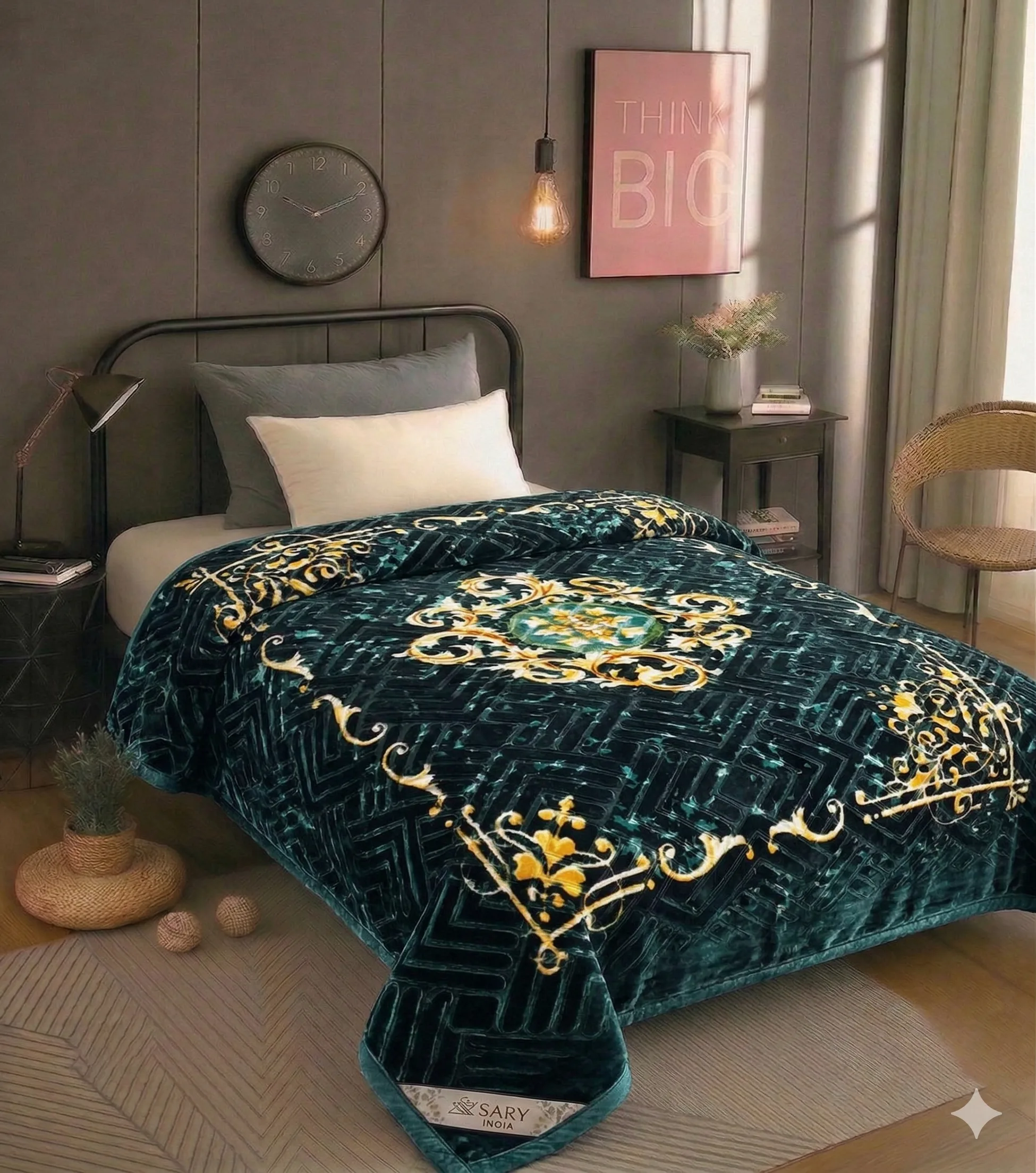
Wholesale buyers consistently underestimate the importance of size-mix planning. Order quantities are negotiated, designs are debated, GSM is specified — and then the question of how many Single Bed pieces against how many Double Bed pieces is settled in a five-minute conversation. That five-minute decision is often the single largest driver of sell-through, working capital efficiency, and end-of-season markdown exposure. This article unpacks how to think about size mix as a strategic input rather than a logistical afterthought.
Why Size Mix Matters in Blanket Wholesale
Every unsold blanket at the end of a season represents three losses: the cash tied up in the unit, the warehouse cost of holding it, and the markdown required to clear it before the next intake. Buyers who get the size mix wrong absorb all three.
The pattern is predictable. A buyer leans into Double Bed because the per-unit margin is higher, then watches Single Bed sell out in week three while Double Bed accumulates. Or the reverse — a buyer over-orders Single Bed for value-tier customers and misses the higher margins available from Double Bed gifting demand. Customers asked for an out-of-stock size walk away with a perception that the retailer does not understand their needs.
Demand Patterns — Single Bed vs Double Bed
Across most retail and e-commerce channels, demand splits roughly 60:40 in favour of Double Bed during peak winter, and shifts towards 50:50 or Single Bed-heavy in shoulder seasons. The peak winter skew towards Double Bed is driven by gifting, hospitality refresh cycles, and household primary-bed purchases.
This generic pattern shifts considerably by buyer segment. Cooler-climate markets pull harder on Double Bed and on heavier GSM constructions. Warmer-climate markets pull harder on Single Bed and on lighter constructions used as throws or layering pieces. Hostels, paying-guest accommodation, and budget hospitality buy Single Bed almost exclusively.
The right move for any individual buyer is to overlay this generic pattern with their own historical data — but only after sanity-checking that data for size availability bias. If a buyer has been Single Bed-light for two seasons, the sales record will under-represent true demand.
Pricing and Margin Implications
Double Bed costs more to produce. More fabric is the obvious driver, but the secondary drivers matter too — design complexity scales with the larger surface, edge-binding length increases, and packaging materials rise in step. For the manufacturer, Double Bed runs require more loom time per piece and tighter QC for pattern alignment.
For the buyer, Double Bed typically offers a better absolute margin per unit and a comparable or slightly better margin percentage. Single Bed offers higher margin velocity — units move faster, working capital recycles faster, and shelf turnover supports better store economics. Neither size is uniformly more profitable. The right answer depends on which dimension — absolute margin or velocity — the buyer's business model rewards.
Stocking Ratios by Buyer Type
The following ratios are starting points, not prescriptions. Each should be tuned with two seasons of in-house sell-through data.
- Wholesale distributors: 50:50 to 55:45 in favour of Double Bed. Distributors serve mixed downstream customers and benefit from balanced availability.
- Retail chains: 60:40 in favour of Double Bed for primary bedding stores, reversing to 40:60 in budget retail formats serving institutional customers.
- E-commerce sellers: 65:35 in favour of Double Bed, since gifting drives a disproportionate share of online demand and gifting skews larger.
- Hospitality buyers: Determined by the property's room mix. The blanket order should mirror the bed inventory exactly, with a 10% Single Bed buffer for cot and rollaway use.
How to Test the Right Mix
Buyers entering a new collection or a new manufacturer relationship should resist the urge to place the full season order in the first PO. A better approach is a two-phase intake.
The first PO covers thirty to forty percent of the planned season volume in a balanced 50:50 or 55:45 ratio. This stock hits the shelves at the start of the season. Sell-through is tracked by SKU and by size for thirty to sixty days. The second PO — placed once sell-through data is in — covers the remaining seventy percent, weighted towards whichever size is moving faster.
This approach trades a small amount of unit price flexibility (the second PO is smaller and may not earn the full volume break) for materially better end-of-season inventory health. For most buyers, the trade is worth taking.
Mistakes That Cost Margin
Three mistakes consistently appear in size-mix post-mortems.
Buying only one size. Some buyers — particularly newer e-commerce sellers — hedge complexity by ordering only Double Bed. They lose the Single Bed customer entirely and forfeit the cross-sell that converts a single-blanket buyer into a multi-piece household order.
Ignoring seasonal shifts. The 60:40 peak-winter ratio does not hold in October or in February. Buyers who order their full season in one shot at the peak ratio end up with the wrong mix at the shoulders.
Inadequate sampling before scale. A new design's size-skew cannot be predicted from comparable SKUs. Even within the same collection, two designs in the same colourway can pull differently across sizes. Sample, then scale.
Closing
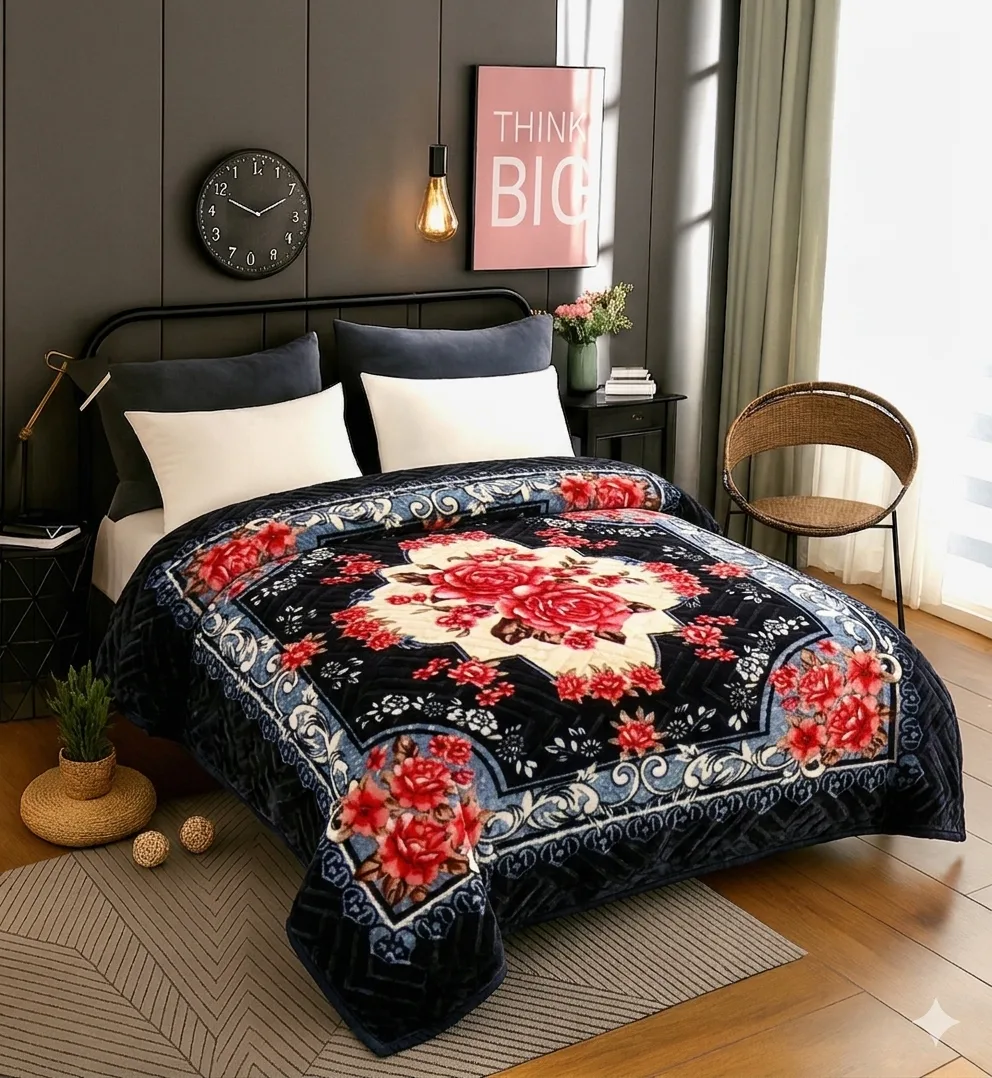
Size mix is not a logistical detail — it is a margin lever. The buyers who treat it as strategy outperform those who treat it as paperwork. Both the Super Cloudy Blanket and the Super Soft Mink Blanket collections are produced in Single Bed and Double Bed configurations, and our team can advise on the ratios that have performed best for buyers in your segment. To discuss your initial intake, use the contact page.
Need Help Sizing Your Initial Order?
Share your buyer profile, target retail price, and indicative season volume. We will return a recommended size-mix and SKU split based on what has worked for comparable buyers.
Request Bulk Quote